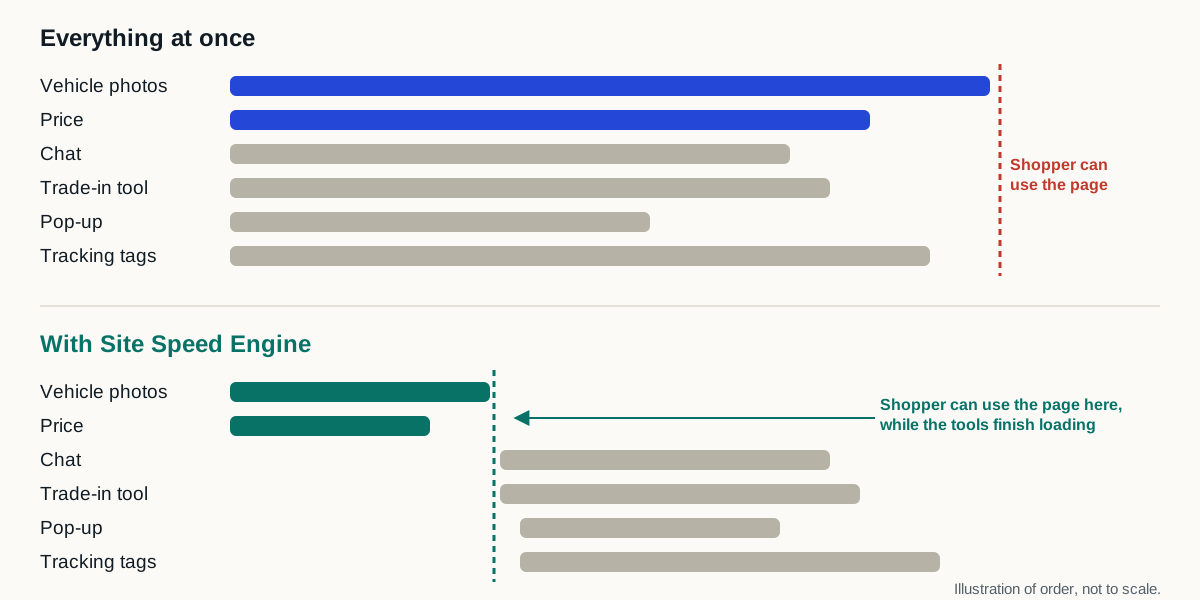
 Dealer website speedWhy are car dealership websites so slow?Car dealership websites are slow because of what's loaded on top of them: chat, trade-in tools, pop-ups, tracking and dozens of large photos, all at once.
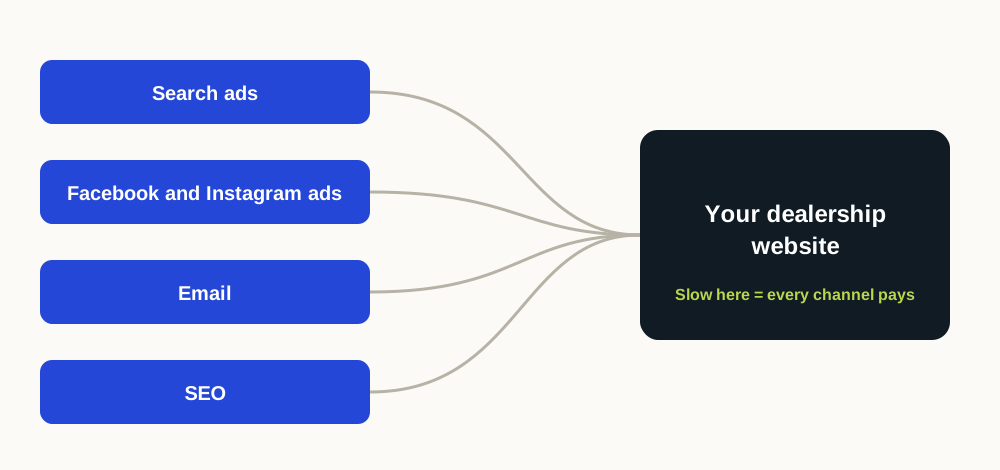 Car dealer marketingCar dealer marketing works better on a faster websiteSearch ads, Facebook ads, email and SEO all send shoppers to your dealership website. A slow page wastes clicks you already paid for. Here's what to check.
 Core Web VitalsCore Web Vitals for car dealership websitesCore Web Vitals are Google's three speed measures: LCP, INP and CLS. What each means on a dealership page, the passing scores, and why most dealer sites fail.
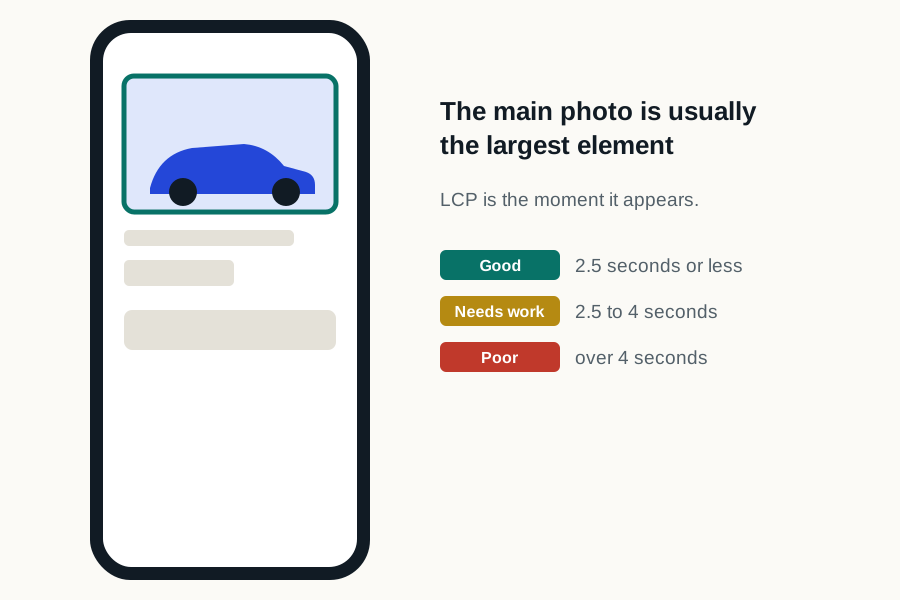 Core Web VitalsLargest Contentful Paint (LCP) on a car dealer websiteLCP measures how fast the biggest thing on the screen shows, usually the main vehicle photo. Good is 2.5 seconds or less. What slows it and how to fix it.
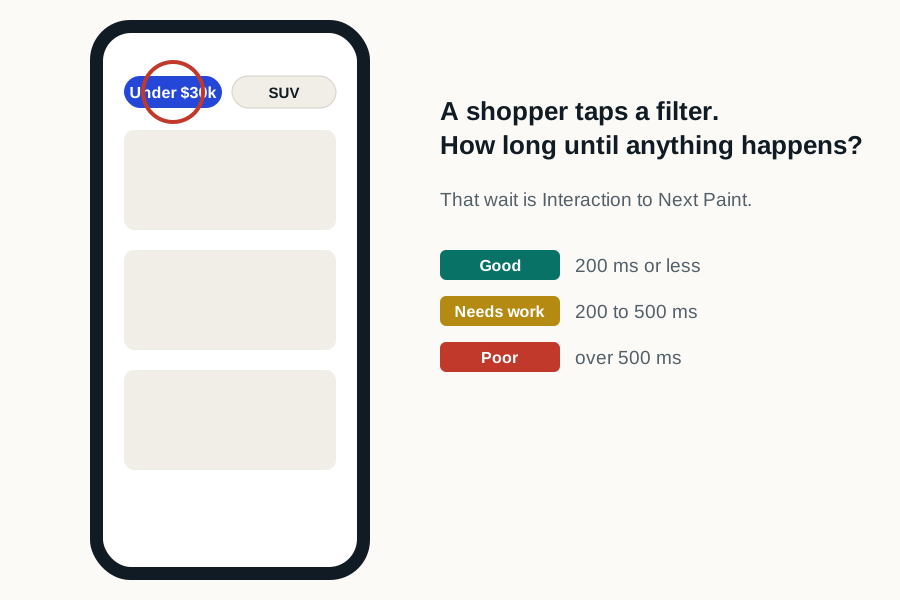 Core Web VitalsInteraction to Next Paint (INP) on a car dealer websiteINP measures how fast your page responds when a shopper taps a filter, gallery arrow or button. Good is 200 ms or less. What causes slow taps on dealer sites.
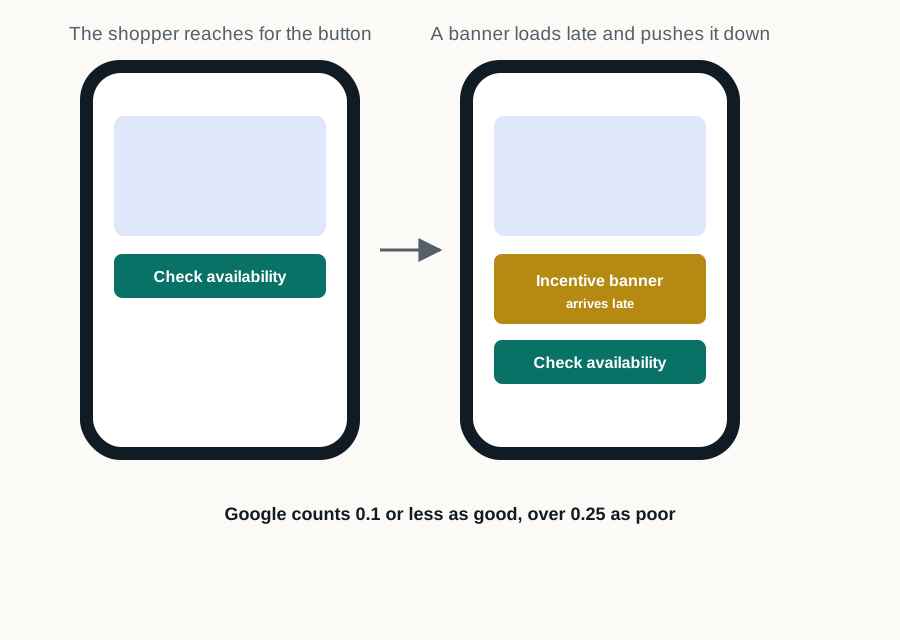 Core Web VitalsCumulative Layout Shift (CLS) on a car dealer websiteCLS measures how much a page jumps while it loads, like a price or button moving as a shopper taps. Good is 0.1 or less. It's the top failure on dealer sites.
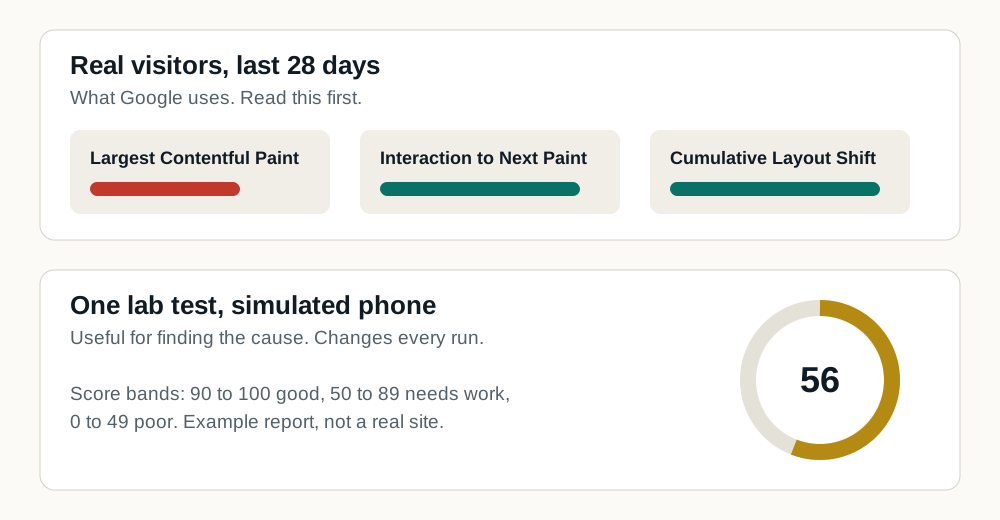 Google PageSpeed InsightsWhat is a good PageSpeed score for a car dealer website?PageSpeed Insights gives a 0-100 lab score and Google's real-visitor data. 90+ is good. How to read the report and test a dealership website properly.
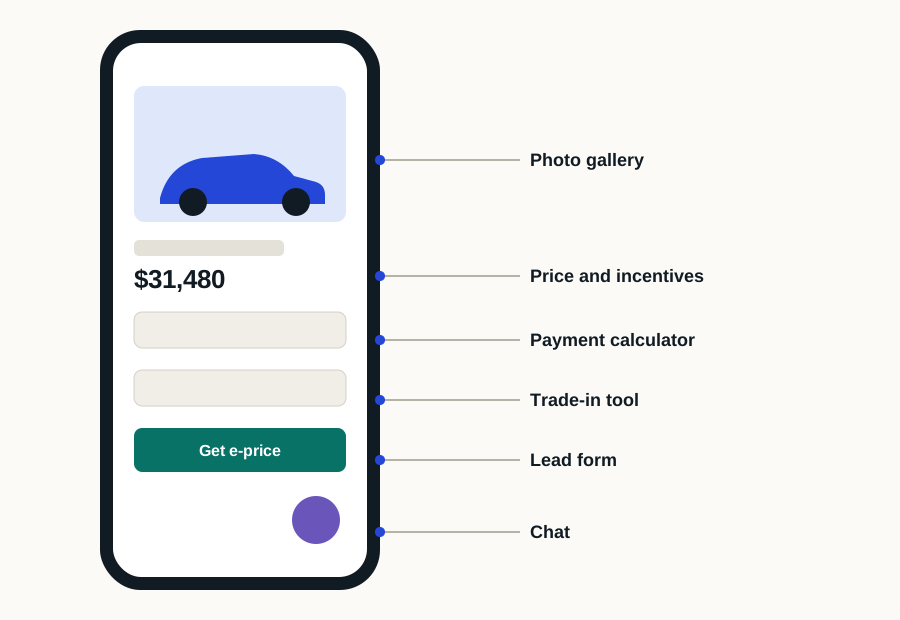 Vehicle detail pagesWhy vehicle detail pages are the slowest pages on a dealer websiteThe vehicle detail page carries the most: a photo gallery, pricing, payment and trade-in tools, chat and lead forms. Why it's slow on phones and what fixes it.
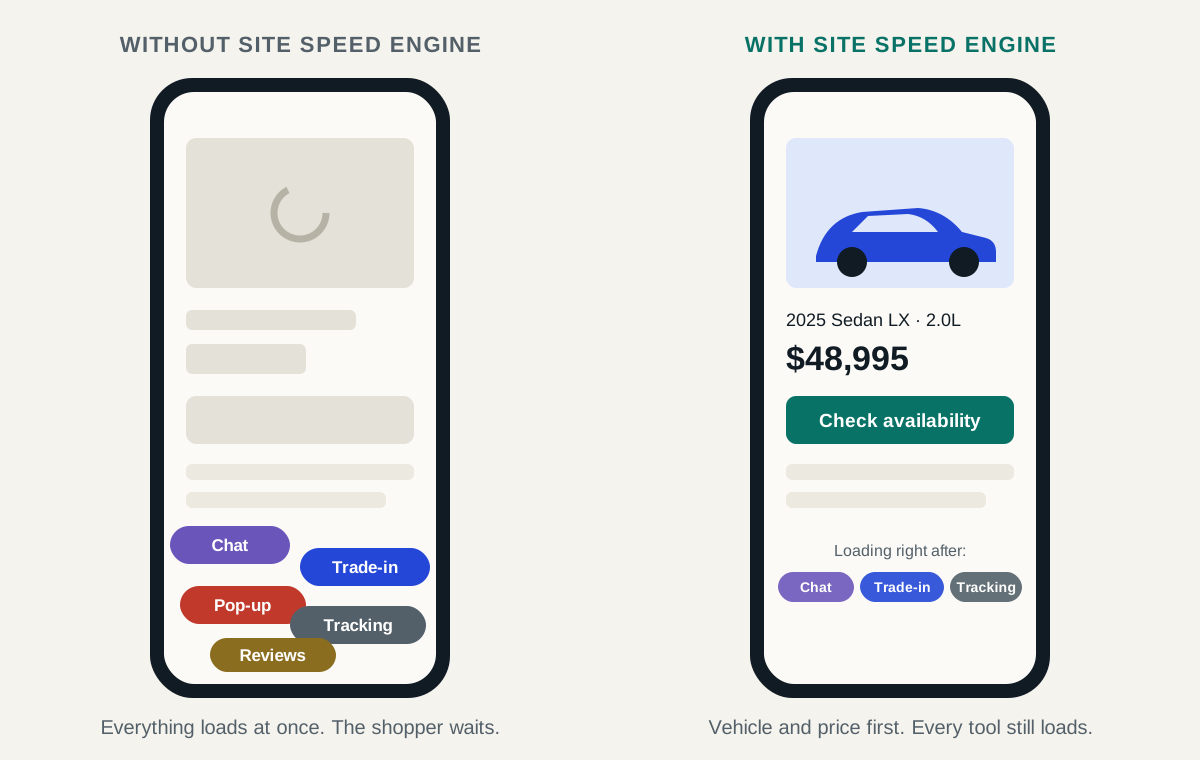 Dealer website platformsCar dealer website providers: speed on Dealer.com, DealerOn and Dealer InspireIs your website provider why your dealer site is slow? What Dealer.com, DealerOn and Dealer Inspire control, what you control, and how to speed up any of them.
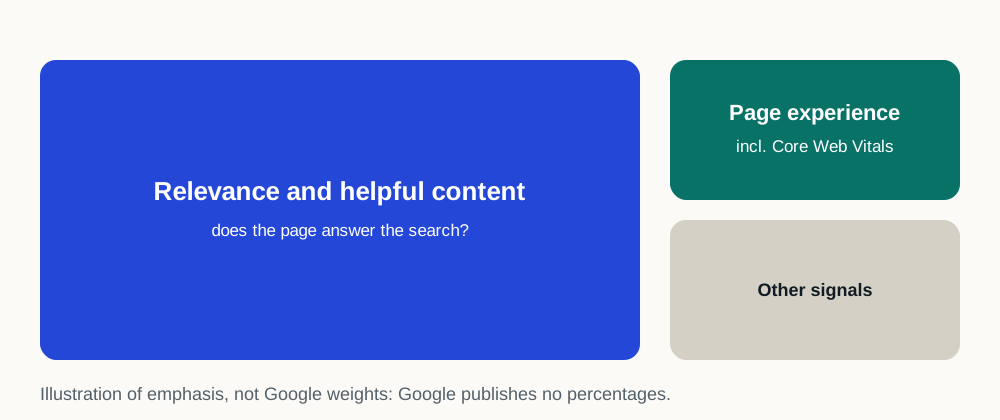 SEODoes website speed affect SEO for a car dealership?Yes, but as one signal among many. How Google uses page speed in ranking, what matters more, and where speed does the most damage on a dealer website.
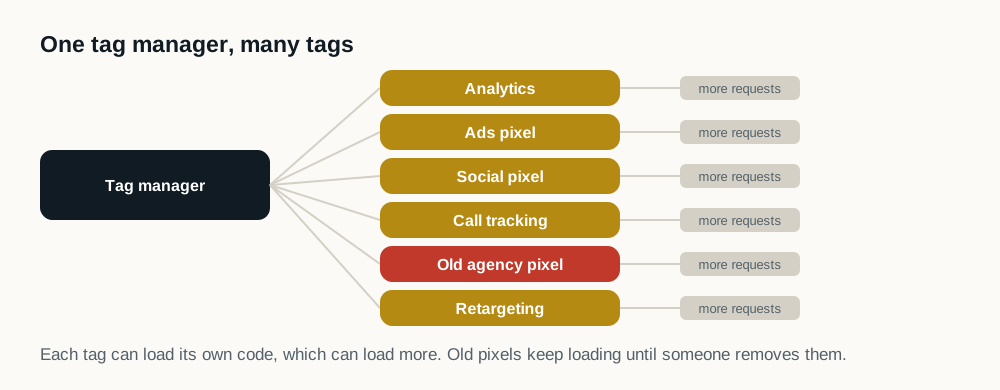
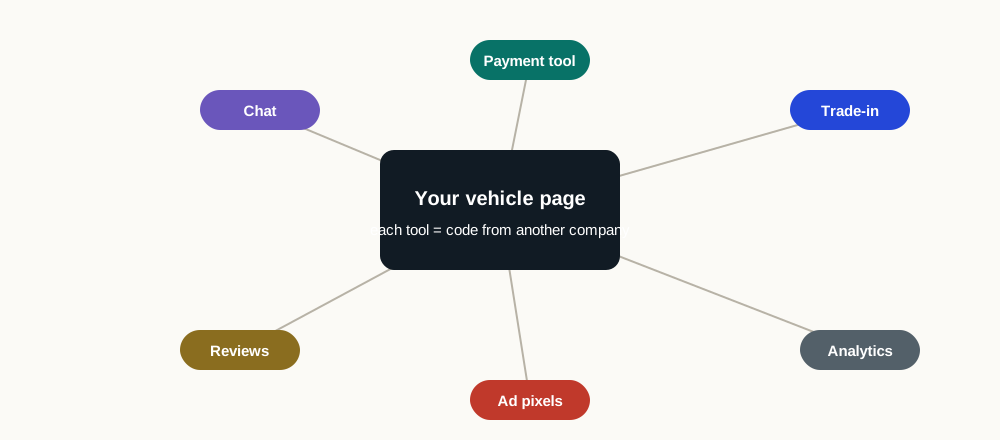 Why sites are slowThird-party scripts on a car dealer websiteWhat third-party scripts are, which ones a dealer website carries, how they slow pages down, and how to keep every tool without the wait.
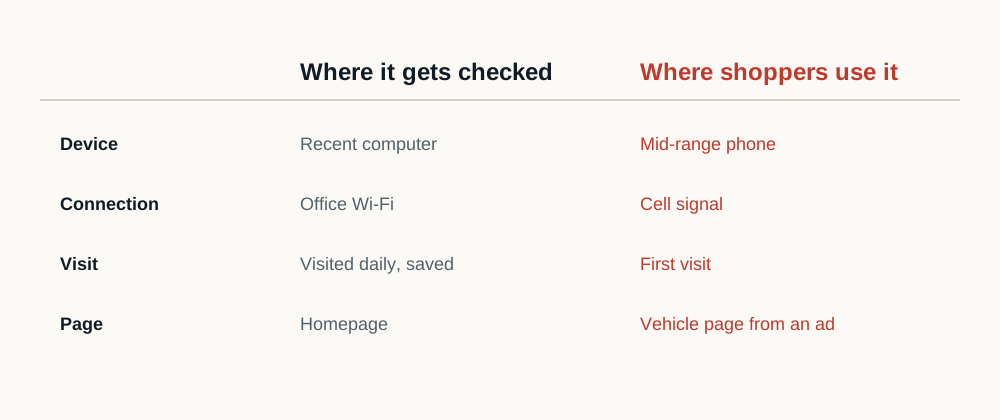 Mobile speedWhy is my dealership website slow on mobile?Why a dealer site feels fine in the office and slow on shoppers' phones, how to test mobile page speed properly, and what fixes it.
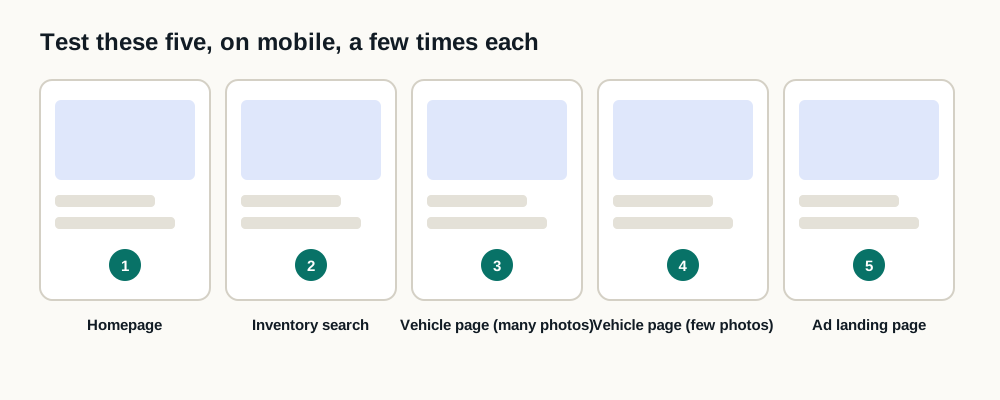 TestingHow to test your dealership website's speedWhich pages to test, which tools to use (free), how to read the results, and the mistakes that make a dealer website look faster or slower than it is.
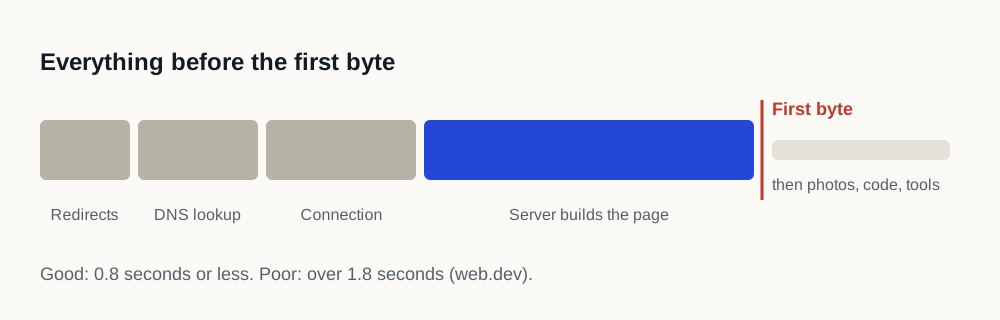 Server responseTime to First Byte: server response time on a dealer websiteWhat Time to First Byte means, what a good TTFB is (0.8 seconds or less), what causes a slow one on a dealer site, and who can fix it.
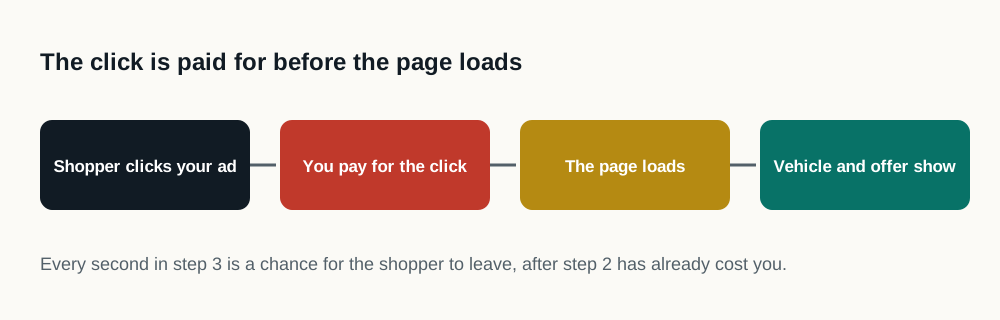 Paid searchLanding page speed for car dealer adsHow landing page speed affects dealer ads, what Google Ads measures, what a good page load time is, and how to check the pages your campaigns use.
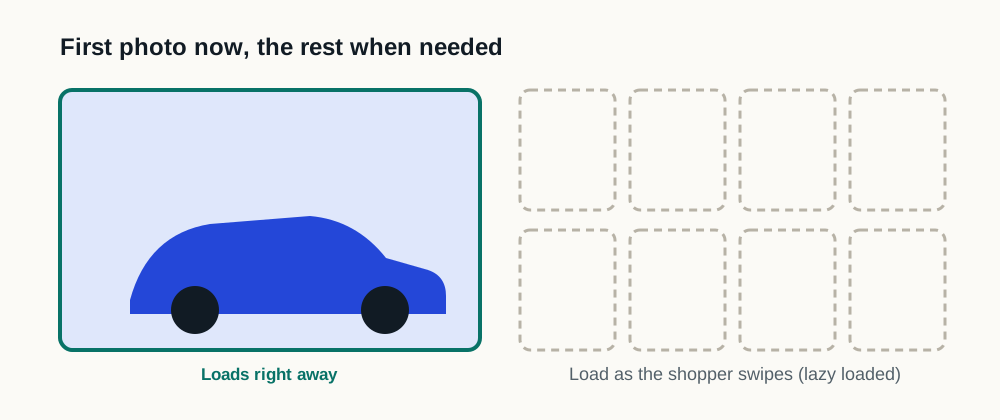 ImagesLazy loading and vehicle photos on a dealer websiteWhat lazy loading is, which vehicle photos to lazy-load and which never to, how to size photos for phones, and how to check it's working.
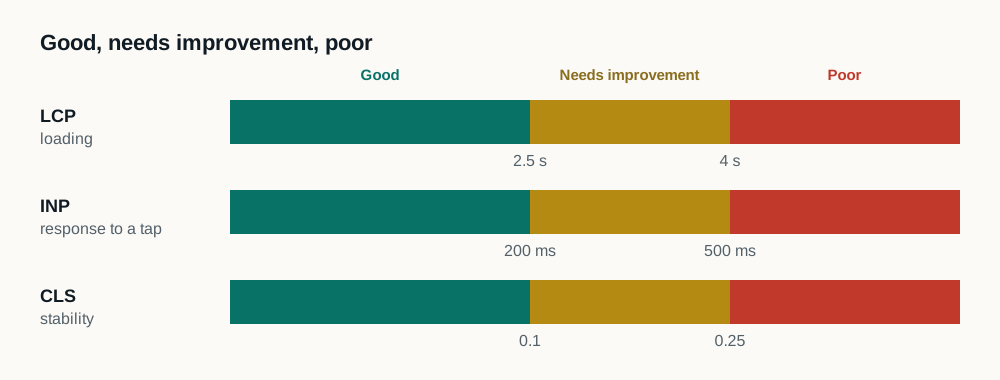 GlossaryWebsite speed glossary for car dealersPlain-English definitions of LCP, INP, CLS, FCP, TTFB, Total Blocking Time, Speed Index and other website speed terms, with Google's good and poor limits.
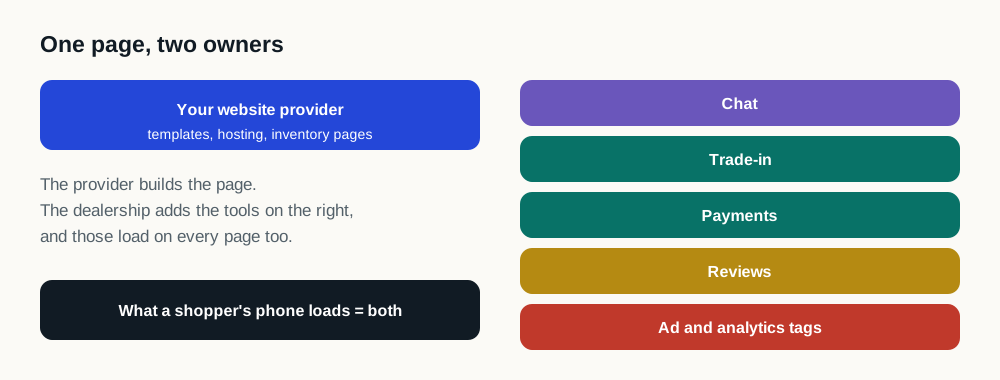 Dealer website platformsWhy is my Dealer.com website slow?Why a Dealer.com dealership website can be slow on phones, what the platform controls versus what your store adds, and how to make it faster without switching.
 Dealer website platformsMaking a DealerOn dealership website load fasterWhy a DealerOn dealership website can be slow on phones, what DealerOn controls versus what your store adds, and how to make it faster without switching.
- Dealer website platformsDealer Inspire site speed: big images, video and add-on toolsWhy a Dealer Inspire dealership website can be slow on phones: large images, video and add-on tools. What to fix first, without switching providers.
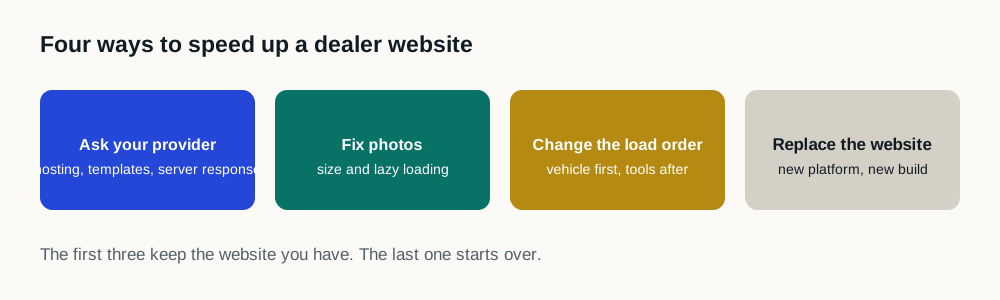 Improve speedHow to speed up a car dealer website without a new websiteThe four ways to make a dealership website faster, what each fixes and costs, and why most stores can fix it without a new website.
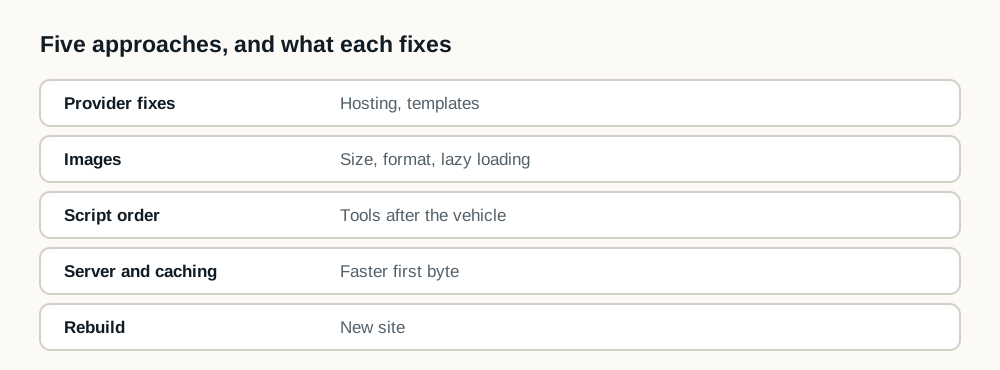 Choosing an approachBest dealer website speed optimization: five approaches comparedThe five ways to optimize a car dealer website's speed, what each fixes, and how to pick the one that fits your site.
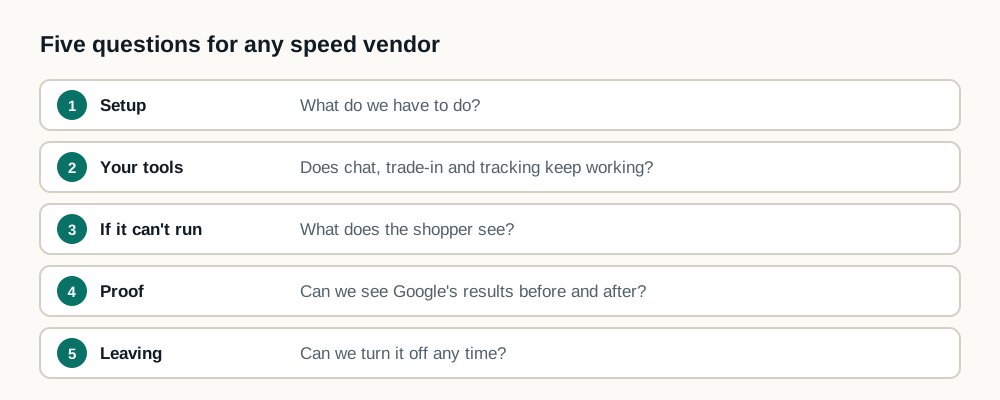 Buying guideQuestions to ask a dealer website speed vendorThe questions a dealership should ask before buying a website speed product: setup, tools, what happens if it can't run, proof and leaving.
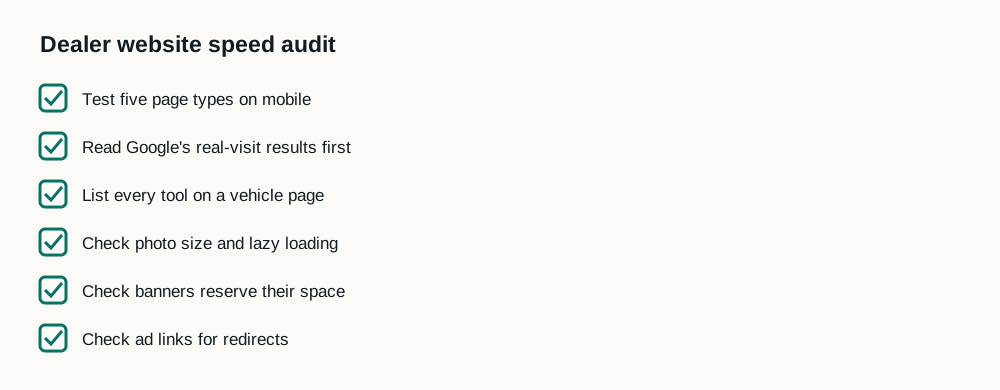 ChecklistDealer website speed audit checklistA six-step checklist for auditing a car dealer website's speed: pages to test, what to read first, and the usual causes to check.
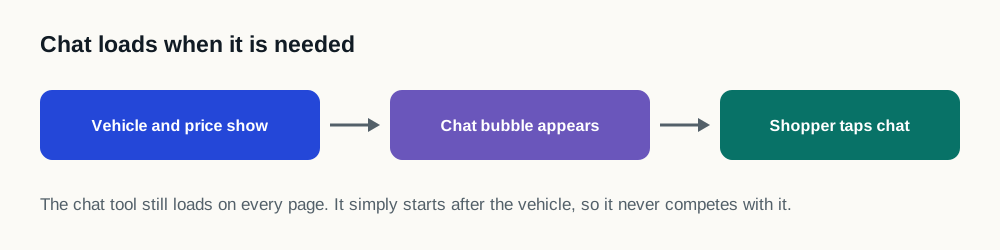 Dealer toolsChat tools and dealer website speedHow chat and texting widgets affect a dealership website's speed, why removing chat is the wrong fix, and how to keep chat without the wait.
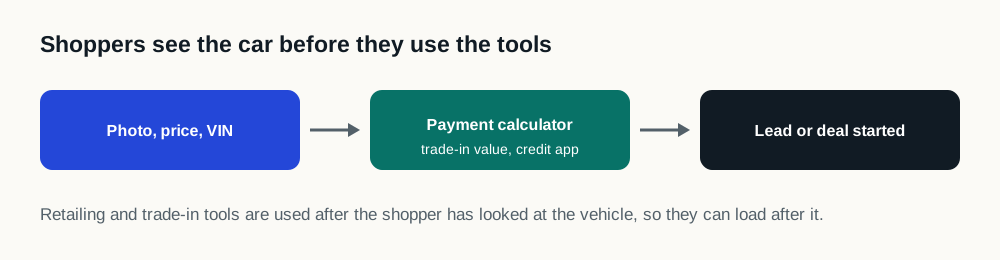 Dealer toolsTrade-in tools and dealer website speedHow trade-in valuation tools affect a dealer website's speed, where they load, and how to keep the trade-in offer without slowing the vehicle page.
- Dealer toolsDigital retailing tools and dealer website speedHow digital retailing tools (payment calculators, online deal builders, credit apps) affect a dealership website's speed, and how to keep them fast.
- TagsHow to audit analytics and ad tags on a dealer websiteHow analytics, ad pixels and tag managers affect a dealer website's speed, and a step-by-step way to audit and clean up the tags.
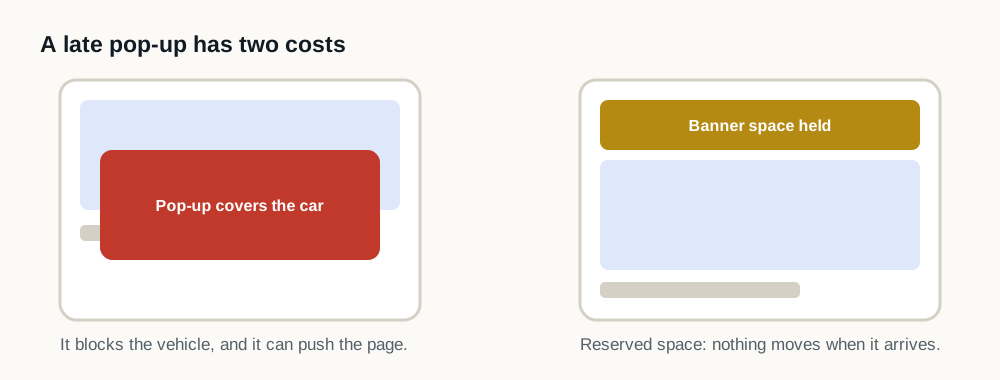 OverlaysPop-ups, consent banners, accessibility widgets and dealer website speedHow pop-ups, cookie consent banners and accessibility widgets affect a dealer website's speed and stability, and how to keep them without the damage.
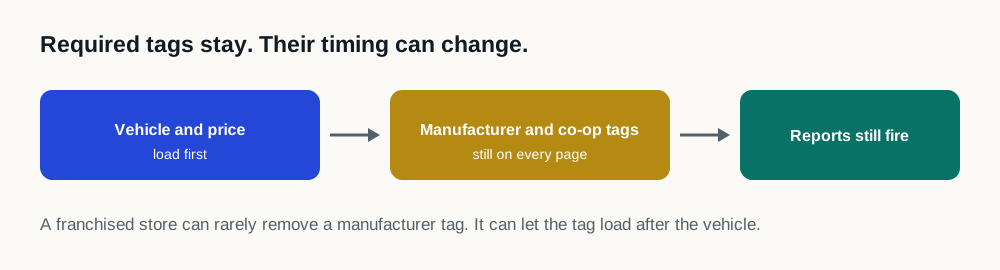 Franchised dealersManufacturer-required tags and dealer website speedWhy franchised dealers can't remove manufacturer and co-op tags, and how to keep them on the site without them slowing the vehicle page.
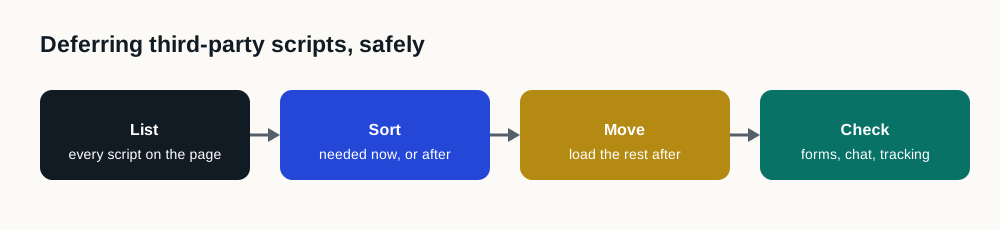 How-toHow to defer third-party scripts without breaking a dealer websiteA four-step way to defer third-party scripts on a dealer website: list them, sort them, move the non-essential ones, and check nothing broke.
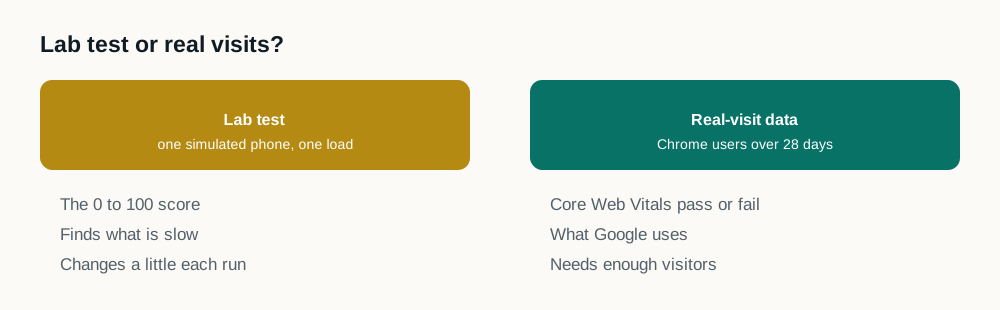 PageSpeedLab data vs field data: which PageSpeed result counts?The difference between lab data and field data in PageSpeed Insights, which one Google uses, and why the two often disagree on a dealer website.
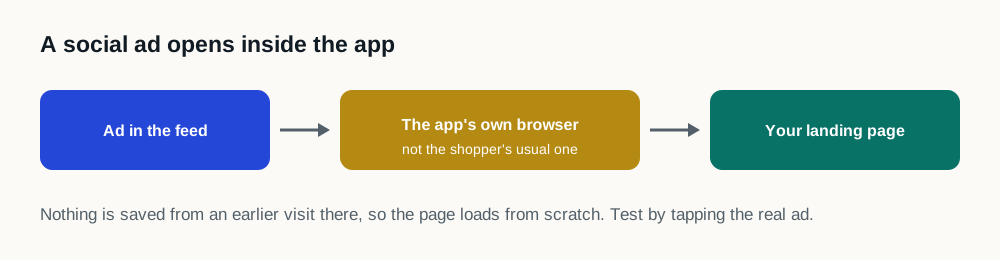 Paid socialFacebook and Instagram ad landing page speed for car dealersWhy dealer landing pages load slower from Facebook and Instagram ads, how the in-app browser changes things, and how to test and fix it.
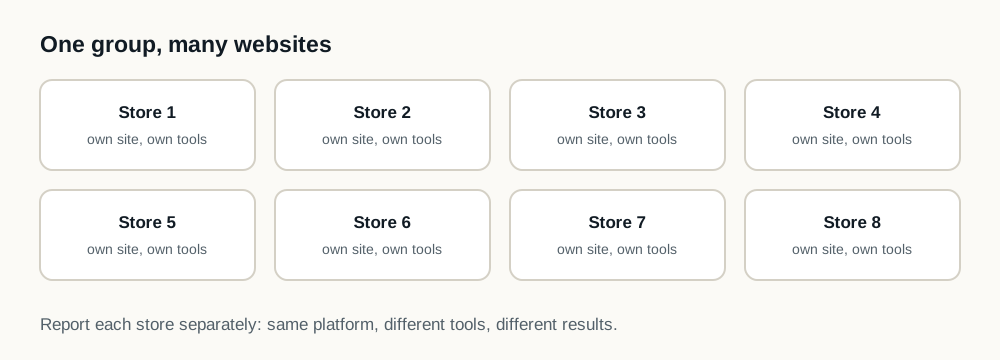 Dealer groupsWebsite speed for dealer groupsHow a dealer group should measure and improve website speed across many rooftops: report each store, compare like with like, and fix at scale.
- CalculatorHow much ad spend lands on visitors who leave before the page loads?A free calculator for car dealers: enter your monthly ad spend and the share of visitors who leave before the page loads, and see the dollar figure.
- Dealer website speedHomepage Videos Are Hurting Dealership Site Speed and SEOYour homepage video is slowing the site down for nothing. Many dealership websites open with a video.
Guides
Dealer website speed guides
Short answers to the questions dealers ask about website speed.